I Didn't Start Out as a Subbly Critic
Around 2020 and 2021 I was already running a growing subscription business. It was built on WordPress, and for a while that was fine. But the maintenance, security and backend concerns kept stacking up, so I went looking for a platform built specifically for subscription commerce.
I searched the way any founder searches - best subscription ecommerce platform, best subscription box platform, subscription ecommerce software - and the same names kept coming up: Shopify, Cratejoy, Subbly. Subbly caught my attention. It was specialized. It was focused on subscription commerce rather than treating subscriptions as an afterthought. And it had an approachable, startup feel to it.
I started using it. And honestly? I was impressed.
The Best Software Support I'd Ever Experienced
I want to give this real weight. What came later drove me from being a true advocate to someone who still uses Subbly but questions a lot of the background and the people. During my early years with Subbly, its customer support was exceptional. Not pretty good. Not good for a SaaS company. The best software support I had personally experienced.
The team understood the platform. Problems were investigated. Questions came back with knowledgeable answers rather than copy-pasted deflections. Subbly's backend was genuinely complicated to learn, and there were moments when the platform frustrated me. But the people kept me there.
FIRST-HAND EXPERIENCE
There were moments when the platform frustrated me. The people kept me there. That detail matters later, because it's exactly what changed.
Pushing the Original Builder Beyond What It Was Designed to Do
By around 2022 I was building more sophisticated Subbly websites. The legacy website builder was limited - that's not a secret - but I managed to extract considerably more from it than most, because I brought experience from outside the Subbly ecosystem.
- +20+ years in digital marketing
- +Website design and development
- +Conversion optimization and sales psychology
- +UX and customer behavior
- +Systems architecture
- +Subscription commerce and business consulting
My Subbly sites started attracting attention. Eventually Subbly approached me about becoming a Certified Subbly Expert. I want to frame that as important: I wasn't someone who appeared years later and started criticizing the platform from the sidelines. Subbly itself recognized my expertise and brought me into its ecosystem.
When the Subbly Ecosystem Worked
At its strongest, the Certified Expert program had roughly a dozen or more specialists covering website design, subscription strategy, marketing, paid advertising, logistics, social media, technology and business consulting. It was genuinely collaborative.
Subbly periodically referred merchants to experts. Experts brought businesses onto Subbly. Experts created educational resources. Subbly invited experts to webinars. Experts contributed templates. I participated in website-template competitions and created templates that were subsequently used by Subbly merchants. I also participated in educational webinars covering conversion optimization, subscription website strategy, increasing average order value, and sales psychology.
"Everyone won. Subbly acquired and retained merchants. Independent experts received opportunities. Merchchants gained access to specialist expertise Subbly did not necessarily employ internally."
It felt like an ecosystem rather than simply a SaaS company. That distinction is the whole story of what happened next.
SubSummit and the Relationship With Subbly
In June 2024 I attended SubSummit with Subbly and participated in free advisory sessions for subscription entrepreneurs. I helped merchants with subscription strategy, websites, conversion, growth and platform questions. I paid my own travel and accommodation; Subbly provided access through its presence at the conference.
FIRST-HAND EXPERIENCE
This was not an adversarial relationship. I was actively standing alongside Subbly, helping its existing and prospective customers.
Something Started to Change
Around 2024 I began noticing a cultural shift. I'm not going to speculate about internal financial arrangements as established fact. My perception was simply that the organization became less collaborative, more centralized, more guarded, and increasingly focused on monetizing services internally.
The regular collaborative webinars diminished. Joint content opportunities diminished. Communication with the expert community declined.
DOCUMENTED FACT
According to my records, August 2024 was the last Subbly Expert referral I received. I remained an established Subbly specialist actively serving merchants. That became an early indication that the ecosystem itself might be changing.
When the Platform Started Competing With Its Own Experts
I began hearing from existing private clients that Subbly representatives were approaching them offering services such as landing pages, websites, platform implementation and additional development. These weren't simply unknown merchants. Some were businesses already paying me to perform precisely those services.
I raised the concern directly with Subbly leadership. I was assured Subbly did not intend to become an agency and did not want to compete with experts like me. Yet over the following months, Subbly increasingly began offering precisely these kinds of services. Eventually this expanded into what became The Subscription Agency.
Related Investigation
The Subscription Agency Exposed
Read our separate investigation into Subbly's agency operation, its positioning and its marketing claims - including the testimonial and case-study claims we could not independently reconcile.
Read the investigationThe AI Builder: An Opportunity That Should Have Been Huge
Moving into 2025, Subbly was preparing its new AI-driven website builder. I should have been incredibly excited about this. I had already been working extensively with AI and agentic website development tools. I understood prompting. I understood web architecture. I understood Subbly. And I understood the merchants who would have to migrate from the legacy environment.
Subbly approached me during the pre-launch beta period. I immediately saw an opportunity to create onboarding resources, migration guidance, prompt frameworks, tutorials, educational material and merchant support.
My concern, however, was that the builder simply wasn't ready for broad release. In my experience during beta it was buggy, unpredictable, prone to breaking things, and difficult for inexperienced entrepreneurs to navigate. I recommended a longer controlled beta with experienced users before mass adoption. My recommendation was not followed.
Quick Platform Fit
Would Subbly Actually Fit Your Business?
Forget platform loyalty. Answer a few questions and see which subscription architecture actually fits your business.
About 30 seconds. No email required.
The $2,500 Conversation
Around June 2025, I was discussing bringing one of my launch clients into the new builder environment. Scott Normore, from Subbly, told me access would cost approximately $2,500 - all in for a year - with six months of SubblyX included.
I strongly objected. The product was effectively beta software and was approaching wider availability. Shortly afterward, access to the builder became available at a dramatically lower normal platform price.
DOCUMENTED FACT
This is not a recollection. It is a documented conversation. The figure, the structure ($2,500 plus six months of SubblyX free), and the timing are all in the thread above.
"Tell People the Legacy Builder Is Going Away"
I was encouraged by Subbly leadership to communicate with my audience about the transition from the legacy builder toward the new AI builder. I did so. I also communicated honestly about concerns I had with the transition.
Later, communications I had sent were screenshotted and challenged publicly within the Subbly community. One of my own clients was tagged and asked whether my communications were making her uncomfortable or anxious.
FIRST-HAND EXPERIENCE
The information I was being criticized for discussing originated from conversations with Subbly itself.
- Private instruction to communicate the transition
- I communicate the transition, honestly, including concerns
- My communication is screenshotted
- I am publicly challenged over the message - to my own client
The $10K-$15K Client Message
During conversations about my private launch clients, I explained that some comprehensive projects were worth approximately $10,000-$15,000 because they could encompass strategy, website, systems, subscription architecture, launch planning, marketing, conversion and ongoing consulting.
A subsequent message involving Subbly leadership and Andrija referenced these clients and suggested this was exactly the type of business Subbly itself should pursue.
INTERPRETATION
That communication crystallized what had been bothering me. The platform wasn't merely supporting its expert ecosystem anymore. It appeared increasingly interested in capturing the same service revenue itself.
The "Free Website" Experience
One of my coaching clients reported being contacted with an opportunity she understood to mean she had won a free website build. Work subsequently took place on the project.
CLIENT-REPORTED EXPERIENCE
According to the client's account as it was relayed to me, when she later asked about launching the website she was presented with a price of approximately $5,000. When she explained that she did not have $5,000 and had understood the website to be free, another lower payment option was discussed.
I'm not going to characterize this as a proven bait-and-switch. I wasn't on the calls. I'll say only this: from the client's account as it was relayed to me, the expectation created at the beginning and the price presented later were radically different.
I raised this with Subbly. According to my experience, some senior team members appeared unaware that this sales approach had occurred. That concerned me even further, because it suggested inconsistent communication internally.
The Support Experience Collapses
This is where the article becomes emotionally effective, because it returns to the beginning. The original support experience was one of the main reasons I stayed with Subbly. By late 2025, my experience was almost the opposite.
Long-standing, knowledgeable support personnel had disappeared or changed roles. I increasingly encountered situations where support representatives appeared unfamiliar with older or more complicated areas of the platform. Because I had spent years working across automations, subscription rules, shipping cadences, product settings, checkout behavior, integrations, legacy features and newer builder features, I increasingly found myself diagnosing issues that front-line support could not resolve.
FIRST-HAND EXPERIENCE
I'm not claiming anything about internal staffing or resource decisions I can't verify. I'm stating only what I experienced externally: the quality and depth of support deteriorated dramatically from my perspective.
The Patchwork Problem
Here's an important technical criticism. Subbly has accumulated features over many years. That is partly a strength. It is also increasingly a weakness.
In my experience, different generations of functionality overlap. There can be multiple ways of accomplishing similar things, legacy settings alongside newer settings, unclear feature dependencies, inconsistent behavior, and functionality that support personnel themselves appear unfamiliar with.
The Patchwork Quilt Problem
Subbly has considerable functionality. But adding functionality and maintaining a coherent system are different engineering challenges. For experienced specialists, the platform can still be extremely capable. For a new merchant, the complexity can become difficult to navigate.
Why No Public Roadmap?
During the difficult AI-builder rollout, I advocated for more transparent communication. Merchants were worried. My suggestion was simple: publish a roadmap. Not necessarily every strategic secret - just communicate what was being fixed, what was being improved, what merchants should expect, approximate development priorities, and what the next several weeks might look like.
Subbly CEO Stefan explained that the company did not want competitors seeing upcoming features. I fundamentally disagreed.
"During a difficult migration, reassuring existing customers should matter more than hiding ordinary product-development priorities from competitors."
The Onboarding Material Subbly Didn't Want
I created my own practical onboarding material for the AI builder after repeatedly seeing merchants struggle. Think of it as a recipe book: step-by-step instructions, prompts, setup sequences, common problems, and practical ways to get started.
Historically, this type of expert contribution would have fit perfectly within the collaborative Subbly ecosystem. This time, I was asked not to distribute it within the community. I even offered to remove my branding and simply make the resource available to help merchants. That proposal was also rejected.
INTERPRETATION
For me, this represented perhaps the clearest philosophical difference between old Subbly and new Subbly. Old Subbly: you made something useful, brilliant, let's help merchants with it. New Subbly: don't distribute that here. Those are rhetorical summaries, not literal quotes.
SubblyX
I've had several clients exposed to or enrolled in SubblyX-style higher-touch support arrangements. The proposition sounds attractive: premium access, closer support and proactive assistance. However, my observation from clients has been inconsistent engagement.
Some clients receiving extended introductory or free periods did not experience enough proactive value to make the eventual paid proposition compelling. My criticism here is constructive: if someone receives six months of a service that will eventually cost hundreds of dollars per month, the objective should be obvious.
"Make the service so useful that losing it feels painful. That means proactive strategy, regular check-ins, ideas, optimization, and problems identified before the merchant notices them - not simply access to another Slack channel."
CLIENT-REPORTED EXPERIENCE
These are my experiences and reports from clients rather than a universal statement about every SubblyX customer.
The Enterprise Opportunity That Died on Analytics
Approximately two to three years ago, I worked on potentially migrating a substantial Shopify operation onto Subbly. The opportunity involved approximately five brands with combined revenue around $7 million annually. The migration ultimately did not proceed.
A major obstacle was analytics. According to my experience, the company's CFO considered Subbly's reporting capabilities insufficient for their requirements and rejected the migration. This matters because it demonstrates a broader strategic point: subscription commerce isn't simply checkout plus recurring billing.
- +Cohort analysis
- +Retention reporting
- +Churn analysis
- +LTV
- +SKU performance
- +Forecasting
- +Subscription segmentation
- +Finance-grade reporting
A platform aspiring to serve larger merchants has to satisfy operators beyond the marketing department.
When My Clients Became Sales Leads
I've experienced multiple occasions where existing clients were subsequently approached about additional Subbly services. One example involves a client named Robert. Subbly had previously created a website for Robert. Robert was unhappy with the result and subsequently hired me to rebuild it. According to my experience, Subbly representatives continued approaching Robert with additional website and service concepts afterward.
I saw this pattern with other clients too. This is where the relationship finally became untenable.
INTERPRETATION
There is nothing inherently wrong with Subbly operating an agency. There is nothing inherently wrong with Subbly selling professional services. The problem is the conflict created when the platform owner also controls access to merchants being serviced by independent experts within its own ecosystem. That is the structural criticism.
The AI Builder Cost Problem
Bring this into 2026. The AI builder today is significantly better than the initial version I used. I want to say that clearly. However, I continue to have serious concerns about its consumption and cost behavior.
Across comparable agentic website-building workflows, I have observed Subbly tasks consuming dramatically more paid usage than I would expect. In some testing and real client projects, I've observed differences of approximately 3x to 12x compared with comparable tasks and workflows elsewhere.
FIRST-HAND EXPERIENCE
Examples from my project records include relatively straightforward requests generating charges in the approximate ranges of $6, $14-$16, $26.90, and around $40 - while comparable work in other agentic environments can cost substantially less. I'm not claiming every prompt costs 3-12x more. I have repeatedly observed individual tasks and workflows where Subbly's builder cost materially more than comparable agentic builders.
When the Platform Blamed the Prompter
This is the personal breaking point. According to my experience, when concerns about unusually high builder charges were raised, Subbly representatives suggested to some of my clients that the issue related to my prompting or implementation. That changed the nature of the disagreement.
I have worked with AI systems for approximately six years and agentic development environments for several years, across multiple systems including Base44, Lovable, Subbly and other AI development environments. My concern isn't that every AI platform should produce identical usage. They won't. My concern is the magnitude of the discrepancies being observed.
"A platform disagreement is one thing. Suggesting to my paying clients that my competence is responsible for platform costs is something entirely different."
What Happened to the Ecosystem?
Then
- +Certified Experts
- +External specialists
- +Partner/affiliate ecosystem
- +Collaborative webinars
- +Community resources
- +Expert-created templates
- +Merchant referrals
- +Open communication
Now - from my perspective
- -Professional services increasingly internalized
- -Independent expert program diminished/disappeared
- -Far fewer collaborative initiatives
- -Direct service upsells
- -SubblyX
- -The Subscription Agency
- -Greater centralization around Subbly itself
There are two legitimate SaaS strategies: build an ecosystem, or own the ecosystem. Subbly increasingly appears to me to have chosen the second. The risk is that when a platform competes with the specialists who helped grow its ecosystem, those specialists eventually stop advocating for the platform.
So, Is Subbly Bad?
No. This is essential. Subbly can still be a good solution. I still have clients using it.
- +Subscription-first architecture
- +Recurring billing
- +Flexible subscription structures
- +Shipping cadence management
- +Relatively rapid subscription launches
- +Subscription-specific functionality
- +An improving AI website builder
- +Useful functionality accumulated over many years
For certain businesses, I would still consider it. But today I would also evaluate alternatives before making a recommendation. Depending on the business, that could include platforms such as Shopify or custom and alternative architectures.
What I Actually Miss
Make this unexpectedly human. I don't miss a particular feature. I miss the philosophy.
I miss the company where an expert could create a resource and Subbly would help distribute it. The company where outside expertise wasn't perceived as competition. The company where support knew the product intimately. The company where I could bring a problem to leadership and feel like everyone was trying to solve the same problem.
"Subbly winning didn't require somebody else losing."
Why I'm Writing This
I'm not writing this because I want Subbly to fail. Quite the opposite. I have clients on the platform. Their success depends partly on Subbly remaining healthy. I've invested years learning the ecosystem. I would benefit enormously from Subbly becoming excellent.
But independent consultants cannot genuinely call themselves independent if they refuse to criticize platforms because they are afraid of losing referrals, commissions or relationships.
"I recommended Subbly when I believed it deserved recommending. I criticized it when I believed it deserved criticism. If either of those positions changes tomorrow, I'll change my position again. That's independence."
My Position in 2026
Would I use Subbly today?
Yes, in the right circumstances.
Would I automatically recommend it?
No.
Would I migrate every existing Subbly merchant away?
Absolutely not.
Would I compare it carefully against alternatives before launching a new subscription business?
Absolutely.
There was a version of Subbly I genuinely loved working with. I built businesses on it. I promoted it. I created resources for it. I stood alongside its team at SubSummit and helped entrepreneurs understand what subscription commerce could become. That's precisely why the change has been so disappointing.
My criticism doesn't come from six weeks of frustration with a piece of software. It comes from roughly six years of watching the company from unusually close range.
I hope Subbly rediscovers some of what made it special in the first place. Because the subscription industry needs strong specialist platforms. But strong platforms need strong ecosystems around them. And ecosystems only work when everybody is allowed to grow.
Frequently Asked Questions
Is Subbly good?
Subbly can still be a good solution for the right business. Its subscription-first architecture, recurring billing, flexible subscription structures and shipping cadence management are genuinely useful, and I still have clients successfully using it. My concerns are about the company's direction, support quality and ecosystem philosophy rather than the platform being unusable.
What are the main problems with Subbly in 2026?
From my first-hand experience, the main problems are deteriorating support quality, a patchwork of overlapping legacy and newer features, an AI website builder with unusually high per-task costs, and a shift from building an independent expert ecosystem to competing with it through in-house services like The Subscription Agency and SubblyX.
Is the Subbly AI website builder worth it?
The AI builder has improved significantly since its beta, but in my experience its consumption and cost behavior is a serious concern. I have repeatedly observed individual tasks costing roughly 3x to 12x more than comparable agentic builders such as Base44 or Lovable, and access to the builder has historically been a separate subscription on top of your platform membership.
What is a Subbly Certified Expert?
The Subbly Certified Expert program was a collaborative ecosystem of independent specialists covering website design, subscription strategy, marketing, paid advertising, logistics and technology. Subbly recognized my expertise and brought me into the program. In my experience, that program has diminished substantially as the company moved services in-house.
What is SubblyX?
SubblyX is a higher-touch, premium support arrangement offering closer access and proactive assistance. In my clients' experience, engagement has been inconsistent - the introductory value was not always enough to justify the eventual paid proposition. That is a client-reported experience, not a universal statement about every SubblyX customer.
How does Subbly compare to Shopify for subscriptions?
Subbly is subscription-first, with native billing, cycles and portals; Shopify is commerce-first and handles subscriptions through apps. The right choice depends on what you're building. I've written a full platform-agnostic comparison to help founders decide based on their business rather than platform loyalty.
What are the best Subbly alternatives?
Depending on the business, alternatives worth comparing include Shopify for commerce-led subscription models and custom or alternative architectures (such as Base44) for proprietary experiences and operational systems. I recommend evaluating your business needs first, then choosing the technology around the business.
Has Subbly's support gotten worse?
In my first-hand experience, yes. Early on, Subbly had the best software support I had personally experienced. By late 2025, knowledgeable support personnel had disappeared or changed roles, and I increasingly found myself diagnosing issues that front-line support could not resolve. I'm stating only what I experienced externally, not making claims about internal staffing.
Written by
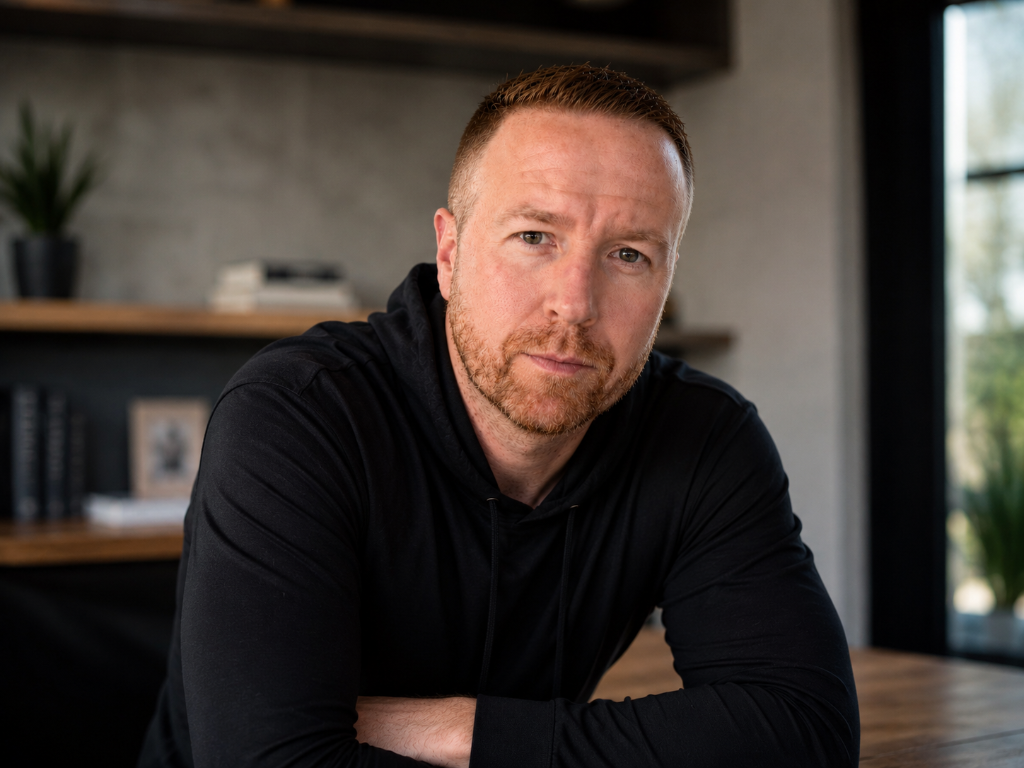
Alex Fleck
Founder & Lead Strategist, Subscription Scale
Alex Fleck is a subscription growth operator with more than twenty years of experience building, running, and scaling recurring-revenue businesses. He founded Subscription Scale to give subscription founders a genuinely platform-agnostic, strategy-first alternative to platform-owned agencies - one that engineers retention and churn instead of disappearing at launch. Alex has spent his career in the seat founders are sitting in now, and he writes this investigation from direct, first-hand experience with the platforms, the unit economics, and the support cultures it documents. He works directly with every client - no junior hand-offs, no account managers - and retains partners for years by compounding results quarter over quarter.